






Is a mini split cheaper than baseboard heat in Montana

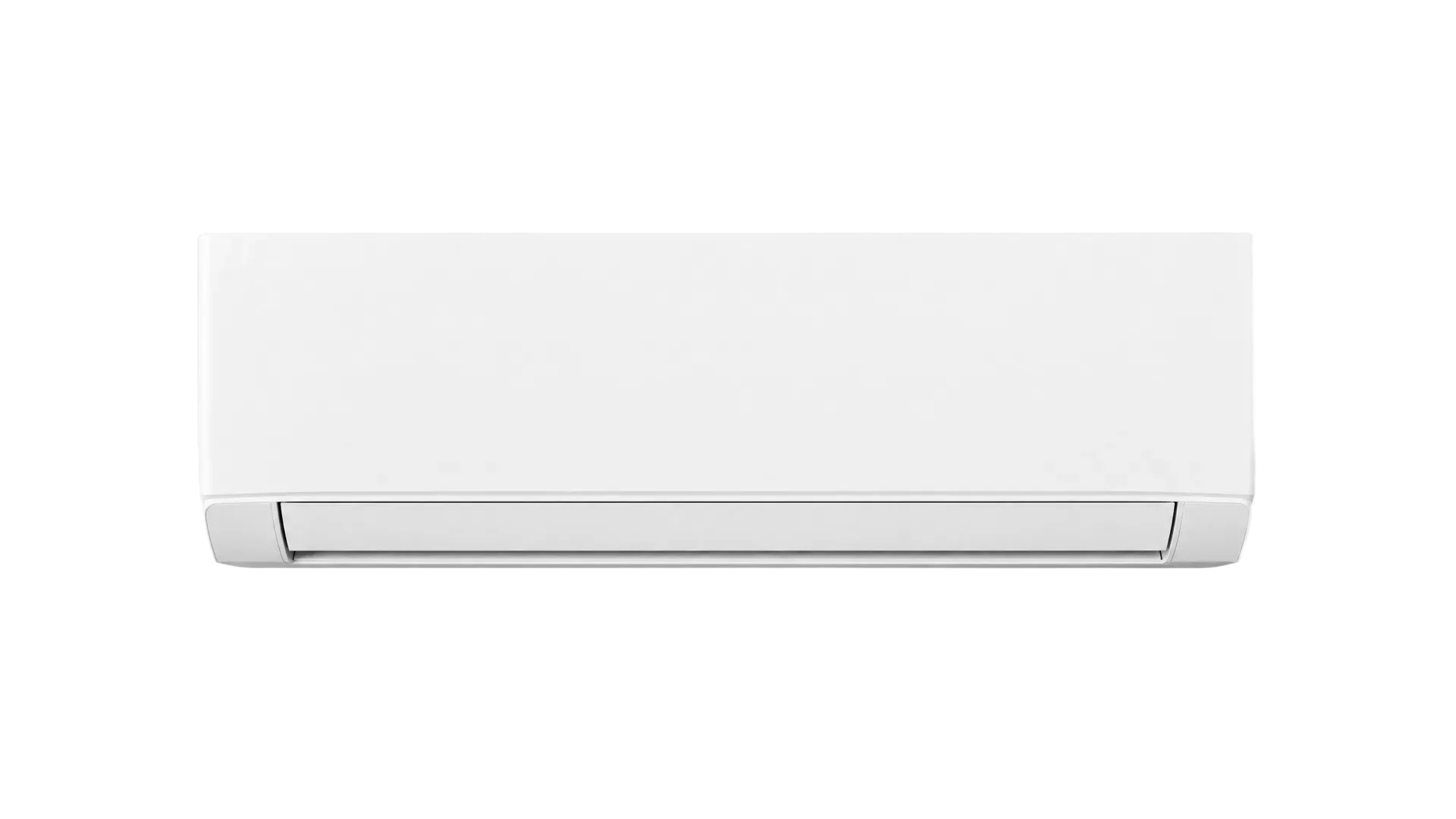
A white wall-mounted mini-split air conditioner indoor unit shown straight-on against a plain light gray background.
Let a pro reach out

A mini split costs less to run than electric baseboard heat here, usually by a wide margin. Baseboard heat turns electricity straight into heat, one unit of power for one unit of warmth. A mini split moves heat from the outside air instead, so it gets several units of warmth for that same unit of power, even on a cold Montana night. The gap narrows when it's well below freezing, since the heat pump has to work harder and may lean on backup heat strips, but it rarely closes. Most homes in Montana heat with gas furnaces, so if that's you, this isn't the comparison that matters for your bill. But if your mini split replaced baseboard heaters, or is sitting next to some that still run in the coldest rooms, swapping the rest of the baseboard over should cost you less to heat with, not more.

A white wall-mounted mini-split air conditioner unit high on a light gray interior wall, with a beige curtain and window at the left and wood-look flooring below.
A clean mini split holds that advantage, pulling heat from outside air even when Montana nights drop cold.
A dusty white wall-mounted mini-split air conditioner indoor unit with open louvers, installed near the ceiling on a plain light-colored wall.
A dirty, grimy unit loses that edge fast, working harder and burning more power for less heat.

How a Mini Split Moves Heat

  • A mini split uses electricity to run a compressor that moves heat, it doesn't generate heat by resistance like a baseboard unit does.
  • Refrigerant inside the outdoor unit absorbs heat from the outside air even when temperatures sit well below freezing.
  • A compressor squeezes that refrigerant, which raises its temperature high enough to release heat inside your home through the indoor head.
  • For every unit of electricity it uses, a mini split can move two to three units of heat, baseboard heat never exceeds one.
  • The outdoor coil has to stay clean for this transfer to work, dirt or ice buildup forces the compressor to run longer for the same heat.
  • Baseboard heat skips all of this, a coil inside the unit just gets hot and warms the room directly.

A baseboard heater is simple. Power goes into a coil, the coil gets hot, the room warms up. One unit of electricity in, one unit of heat out. It can never do better than that, because that's the ceiling for resistance heat.

A mini split works differently. The outdoor unit holds refrigerant that pulls heat out of the outside air, even on a cold Montana night when that air feels like it has nothing to give. A compressor then squeezes that refrigerant, and squeezing it raises its temperature enough to release real heat inside your home through the indoor head. Electricity runs the compressor. It doesn't become the heat itself, it moves heat that was already sitting outside.

That's why the math works out so differently. A mini split can deliver two to three units of heat for every unit of electricity it uses, because it's moving heat rather than manufacturing it. A baseboard heater is stuck at one to one no matter what.

None of this happens for free if the outdoor coil is dirty or iced over. The refrigerant can't pull heat from the air as easily, so the compressor has to run longer to get the same warmth into the house. A clean coil is what keeps that two or three to one advantage real.

A smiling man in a dark navy sweater sits on a light sofa in a living room, with a glass bowl of popcorn on a wooden coffee table and bookshelves behind him.
A smiling man in a dark green sweater sits on a tan leather sofa in a dimly lit living room, with a bowl of popcorn in the foreground and a kitchen area blurred behind him.
A smiling middle-aged man in a dark shirt sits on a gray sofa in a living room, with a bowl of popcorn on a side table and shelves, a window and kitchen area behind him.
A smiling bearded man in a dark gray t-shirt sits on a gray couch in a living room, with a large glass bowl of popcorn on a wooden table in the foreground.

Let someone else find the pro

Most houses in Montana already run on gas heat, with baseboard units in a few rooms or an older addition that never got hooked to the furnace. Power here is cheap, so those baseboard units haven't cost what they would somewhere else, but a mini split still beats them on the electric bill, and it cools those same rooms all summer, which baseboard heat never could. If yours is already in and running, the question is whether it's worth keeping tuned and sized right for the rooms it covers, or whether another one should go in somewhere else baseboard is still carrying the load. Working that out yourself means finding a contractor who knows mini splits, not just furnaces, calling around to see who's free, and going through the same explanation more than once. Send the request once and that work is off your plate. You keep deciding what happens with your heat. Someone else handles the search.

A white wall-mounted mini-split air conditioner installed near the ceiling on a plain beige interior wall.

Running clean

A mini split that gets a yearly cleaning keeps pulling heat from outside air the way it's supposed to, even on a cold Montana night. The coils stay clear, the filters stay open, and the unit doesn't have to work past what it was built for to hold a room at temperature.


A dusty, discolored wall-mounted mini-split air conditioner unit near the ceiling of a plain beige interior wall.

Years of buildup

This one has gone a long time without service. The casing's gone dull and dusty, and that same dust is packed into the coil behind it. A unit in this shape pulls less heat per watt than a clean one, so the gap with baseboard heat starts closing.

Is your mini split actually pulling its weight this winter

You might already have a sense of this from the room itself. If the space it heats still feels cool near the floor, or the unit runs long stretches without the room catching up, it's not moving heat the way it should. Listen for it working harder than it used to, a longer hum before it cycles off, or air coming out of the indoor unit that feels cooler than you remember. Check the outdoor unit too. Ice building up on the coil, or the fan caked in dust and debris, both point to the same thing. None of that means the unit is broken. It means it's losing the advantage over baseboard heat that made it worth installing, and the power bill will start showing it.

A wall-mounted mini-split air conditioner indoor unit with a discolored cream plastic casing and dusty outlet vanes, installed high on a plain light-colored interior wall near the ceiling.
Before you get your mini split installation
A white wall-mounted mini-split air conditioner installed high on a beige interior wall near the ceiling molding, with a light curtain and curtain rod at the left edge.
After you get your mini split installation

Power costs 12.99 cents per kilowatt-hour statewide

At that rate, every kilowatt your mini split moves as heat costs you less than a baseboard unit burning the same power straight into resistance. A clean mini split stretches each kilowatt further, since it's moving heat rather than making it from scratch.

EIA-861 2025 statewide residential average

A white wall-mounted mini-split air conditioner unit installed high on a light gray interior wall near the ceiling, with a white-framed window and green foliage visible at the left edge.

Working the way it should

This is a mini split pulling heat from the air outside and putting it into the room, with the coils clear and the filter open. It costs less to run than baseboard heat this way, and it keeps that edge through a Montana winter.

A dusty white wall-mounted mini-split air conditioner installed high on a beige interior wall below a molded ceiling trim.

Losing ground

Dust and grime on the casing, the filter exposed and caked, mean the unit is straining to move the same heat. It pulls more power to do it, and the gap between a mini split and baseboard heat narrows or disappears.

A closed silver laptop and a ceramic mug of dark coffee sit on a wooden table in front of two chair backs, with a kitchen counter, tiled backsplash, wooden cutting boards, a vase of greenery and a potted plant by a window behind.

A mini split costs less to run, as long as it's working right

A mini split beats baseboard heat on your power bill. That's true in Missoula, in Billings, anywhere in Montana, as long as the unit is clean and sized for the room. Let it sit without service and that gap narrows, maybe closes, because a struggling mini split pulls less heat from the outside air for the same power baseboard would use straight.

If you're not sure where yours stands, that's worth sorting out before another cold stretch. Finding someone to look at it means calling around, explaining what the unit's been doing, waiting on quotes back and forth. Send the form instead and that part is off your plate. Someone qualified gets in touch, and you go back to spending your evenings on something other than this.

A gray upholstered sofa with a matching cushion sits beside a potted plant and a wooden table holding a small green plant in a stone pot, near a curtained window.
A woman in a dark gray sweater reclines on a light sofa with eyes closed and a slight smile, under a textured gray blanket with an open book resting on her lap, with a lit table lamp and plant in the background.
A smiling bearded man in a navy crewneck sweater sits at a dinner table with a glass of red wine, plates and glasses in the foreground, in a dimly lit room with a lamp and framed picture behind him.

Mini Split Installation

One request and it's handed off

Skip the round of in-home estimates for a new mini split.

A black-framed smartphone standing upright against a plain white background, its screen filled with solid green.
Step 1 of 3: Equipment







