Tell us about the job
Takes about a minute. No obligation.
Sizing a mini-split here begins with the heating load, because that is the only load that counts. Homes in Sanders County, MT have essentially no cooling season — no month of the year is warm enough to call for it. A contractor quoting this job has to establish how much heat the house loses on a hard January night and then match the unit's capacity to that figure at low ambient temperatures, where a heat pump's output drops. An undersized unit runs at its ceiling for months on end, and the compressor accumulates hours that a properly sized system spreads more evenly. Refrigerant charge, line set length, and the quality of the electrical connection all bear on how that compressor holds up under sustained heating demand.
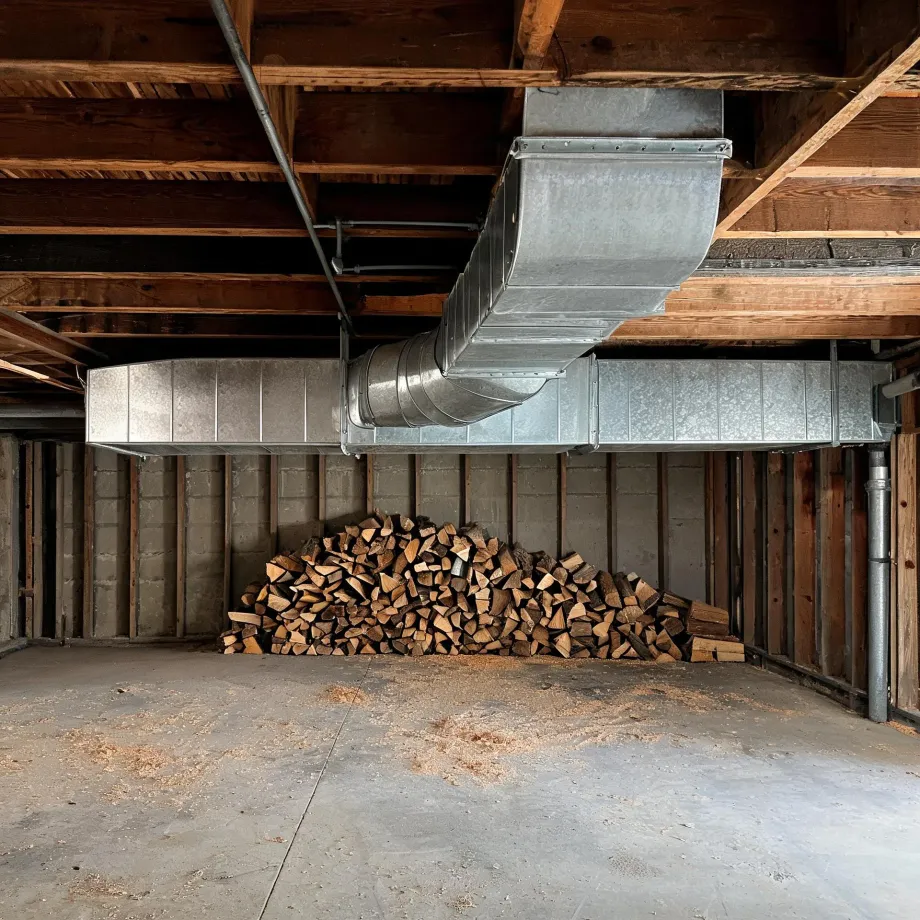
Electrical service is what a mini-split job in Sanders County turns on. Half the homes in Sanders County, Montana were built in 1992 or earlier (2020-2024 ACS 5-year). Houses built to that point were wired for whatever was running then, and what was running then is gone. A contractor sizing a new mini-split against the existing panel is checking whether that older service has the capacity the new unit draws, and in stock this age, the answer changes the scope of the job before anyone touches the equipment itself.
The Parts of a Mini-split System in a New Installation
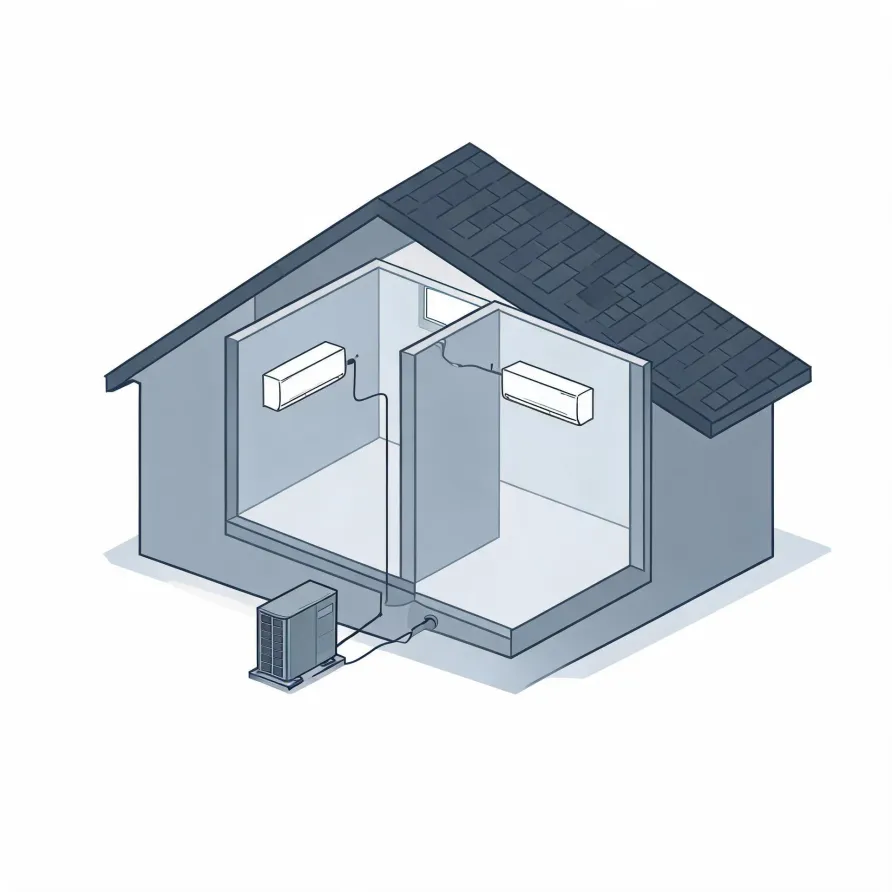
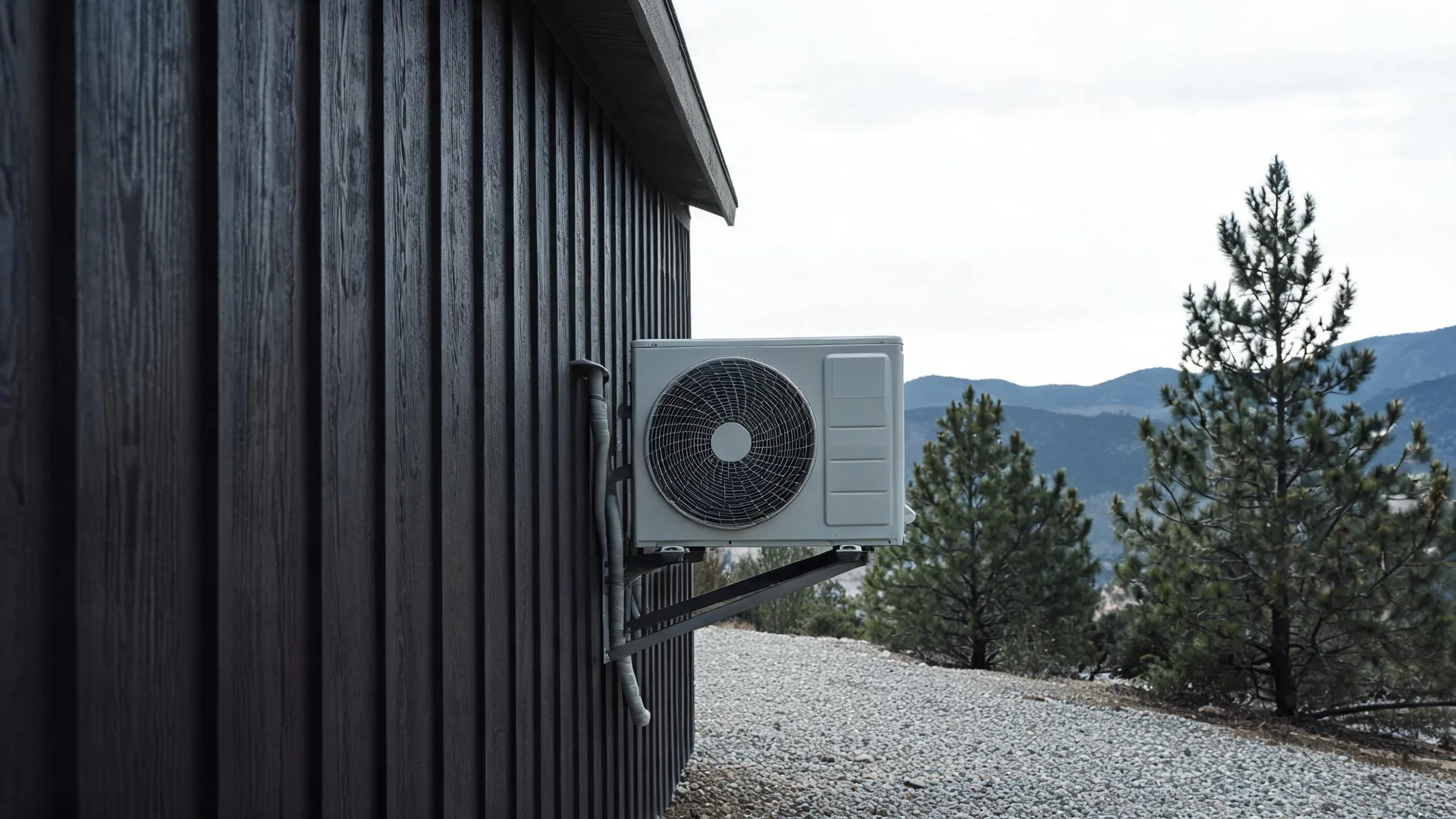
The indoor air handler mounts high on a wall inside the room being conditioned and delivers treated air directly into that space. Outside the house, the outdoor compressor unit sits on a pad or bracket and houses the components that drive the whole system. These two units are the core of what a contractor installs.
A refrigerant line set runs through a small opening in the wall to connect the indoor and outdoor units, carrying the working fluid between them. A condensate drain line runs from the indoor unit to move moisture out of the house, and a dedicated electrical circuit feeds the outdoor unit from the panel.
The drawing beside this text shows how these pieces relate in a typical setup, and a licensed contractor determines exactly how that layout applies to your home.
Find a contractor in Sanders CountySanders County, by the numbers
190 severe weather events were recorded in Sanders County, Montana between 2015 and 2024.
NOAA National Centers for Environmental Information, Storm Events Database, bulk CSV export, events 2015-01-01 through 2024-12-31.Half the homes in Sanders County, Montana were built in 1992 or earlier (2020-2024 ACS 5-year).
U.S. Census Bureau, 2020-2024 American Community Survey 5-Year EstimatesSanders County, Montana holds 6,808 housing units (2020-2024 ACS 5-year).
U.S. Census Bureau, 2020-2024 American Community Survey 5-Year EstimatesOwners occupy 81.3% of the occupied homes in Sanders County, Montana (2020-2024 ACS 5-year).
U.S. Census Bureau, 2020-2024 American Community Survey 5-Year EstimatesRules & Standards Governing Mini-Split Installation in Sanders County, Montana2 sourced rules and standards
Licensing and Legal Requirements in Sanders County, Montana
Montana’s contractor licence does not reach a casual, minor or inconsequential job whose total price for labour, materials and everything else is less than $2,500 — and the exemption is lost if the work is only part of a larger operation, or if a job is divided up to get under the figure.
Montana requires a current construction contractor licence from the Department of Labor and Industry: an individual or business may not engage in business as a construction contractor without one.
Severe Weather Events in Sanders County
Montana's climate puts real demands on heating and cooling equipment, and Sanders County has its own pattern of weather stress that shapes what a system here needs to handle. That load is a local fact, and it bears directly on what gets installed and how it gets sized.
190 severe weather events, 2015–2024. Source: NOAA National Centers for Environmental Information, Storm Events Database.