Running clean
A mini split that's kept up shows it. The casing stays white, the vents stay clear, and it puts out heat evenly from the wall. That's what a coil free of dust and a clean filter look like.
Send the form, and lining up the mini split tune-up stops being yours to chase.
A mini split can run all winter in Montana, but most homes here aren't set up to rely on it alone once temperatures drop into the single digits or below. Mini splits lose heating capacity as the outdoor temperature falls, and most models start struggling somewhere below 5 to 15 degrees, pulling less heat out of air that has less heat to give. Since most homes here already heat with gas, the mini split is usually working alongside the furnace rather than carrying the whole house. Left running on its own through a hard cold snap, it may keep cycling without actually keeping up, and ice can build on the outdoor unit if the defrost cycle can't keep pace. None of that means the system is broken. It means the coldest stretches are where the furnace should be doing the work, with the mini split handling the milder days on either side.
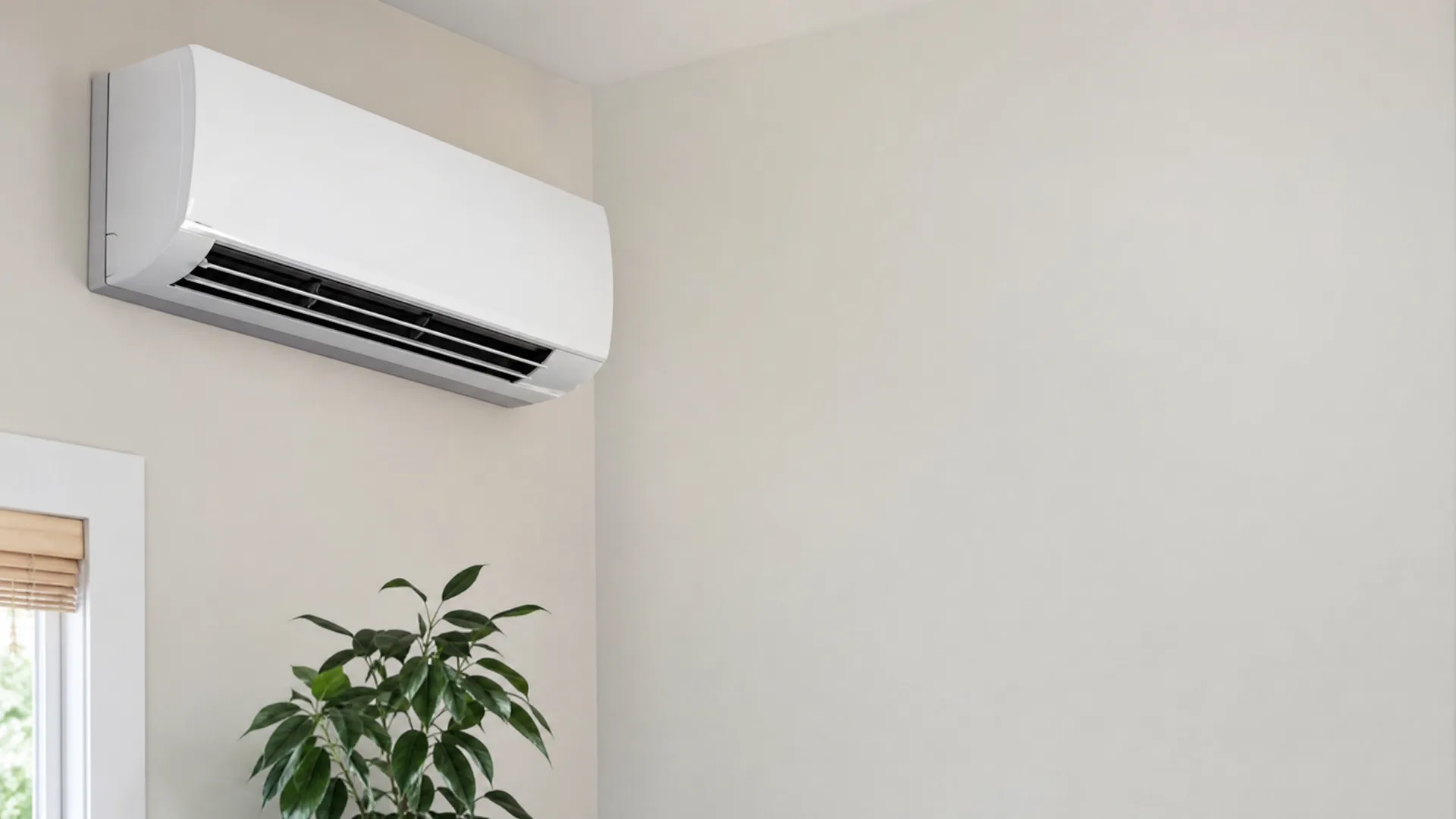
A heat pump works by pulling heat out of outdoor air and moving it inside. As the air outside gets colder, there's less heat in it to pull. Below around zero, most mini splits are drawing on very little, and the compressor has to work harder for less result. That's the point where a lot of Montana homes lean on a gas furnace to carry the load instead, and let the mini split pick back up once it warms.
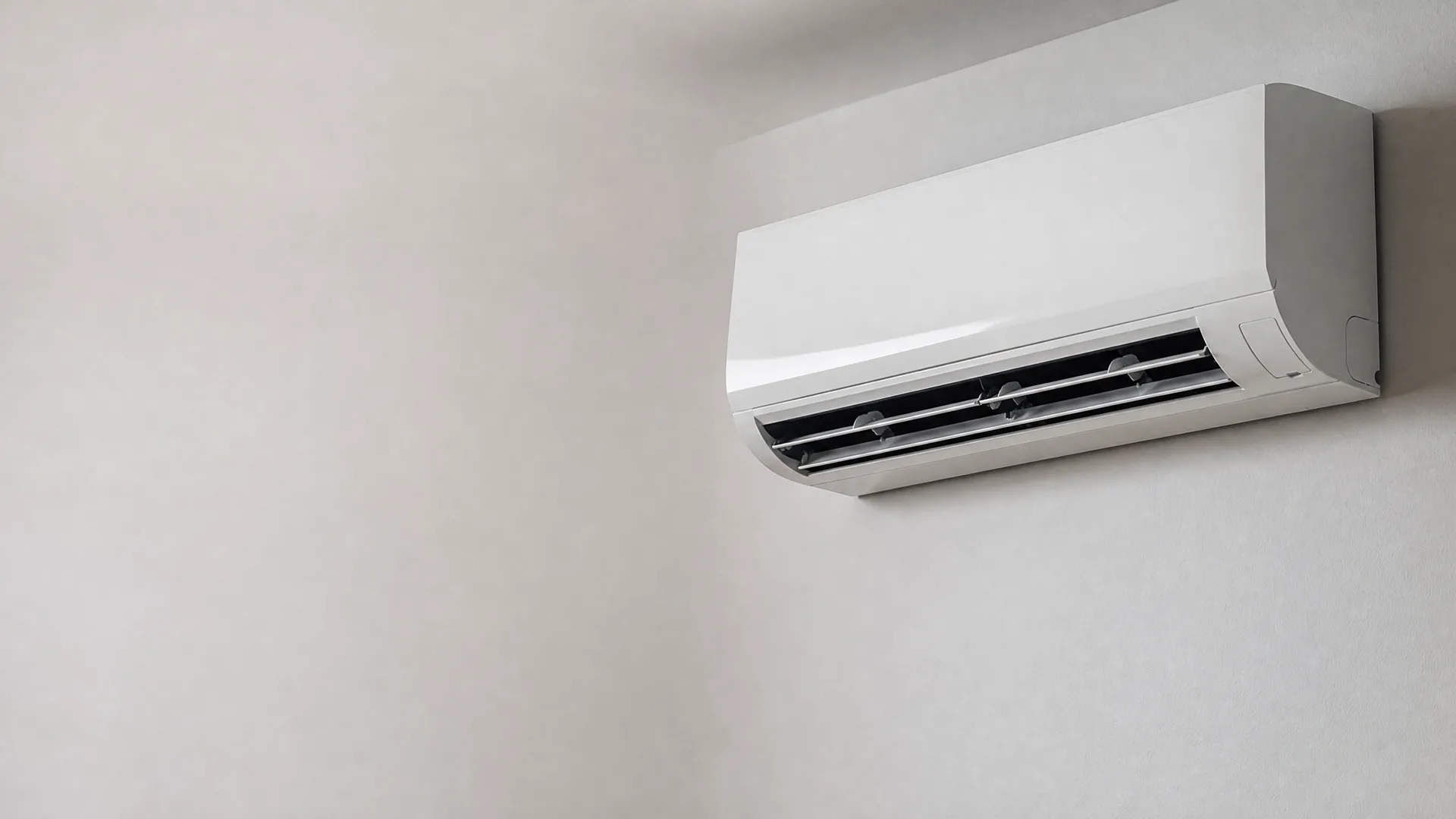
A seasonal check looks at refrigerant charge, since a unit running low loses capacity faster in cold weather than one that's properly charged. It also covers the outdoor coil, clearing anything blocking airflow, and the condensate drain, so melting frost has somewhere to go instead of backing up into the unit. A contractor who services mini splits every winter in Montana knows which parts tend to give out first in this kind of cold.

A mini split that's kept up shows it. The casing stays white, the vents stay clear, and it puts out heat evenly from the wall. That's what a coil free of dust and a clean filter look like.

Dust on the casing usually means dust in the coil too. A mini split working through winter without a cleaning pulls air through a dirtier filter every month, and the unit has to work harder to move the same heat into the room.




A licensed local pro takes the request for your mini split tune-up.
Sending the form costs nothing.
Run your mini split as the only heat on a January night in Montana and the compressor will work harder and harder as the temperature keeps dropping, trying to pull warmth out of air that has less and less to give.
Your gas furnace doesn't have that problem. It makes its own heat, so it keeps the house warm no matter how far the temperature falls outside.


Nothing stops you from leaving the mini split on through a cold snap and skipping the furnace. It'll keep trying. The compressor will run close to flat out for hours at a time, moving whatever heat it can pull from outdoor air that's giving up less and less of it. Some homes will stay close to comfortable. Others will lose a few degrees overnight and not get them back until the sun's up and the outdoor temperature climbs again. The mini split isn't damaged by any of this. It's just working at the edge of what it has, for as long as the cold lasts, with no gas furnace stepping in to take the hard part off it.
Set the furnace to carry the house once temperatures drop into the single digits and let the mini split handle everything above that, and both machines spend most of their time doing the part they're suited for. The mini split runs through the mild stretches, fall and spring and the easier winter days, without the compressor straining. The furnace comes on for the hard nights and holds the house at temperature the way it's built to, regardless of how cold it gets outside. Power here is cheap enough that running the mini split for those milder months isn't the expensive part of the year. Most homes in Montana already have the gas furnace in place to do exactly this.
At 12.99 cents a kilowatt-hour, running your mini split hard on a cold night costs less here than in most states. That makes it tempting to lean on it longer before switching over to gas. Keeping the coil and filter clean is what lets it actually deliver on that rate.
EIA-861 2025 statewide residential average
So the answer is simple. Your mini split can handle fall and spring in Montana without help, and it can take a share of the coldest months too, but it isn't built to carry a January night on its own. The gas furnace is there for a reason, and the two work best when each one does the part it's suited for. What decides how well the mini split performs on the days it's supposed to carry is upkeep, plain and simple. A clean coil and a clean filter let it pull what heat it can from cold air and move it inside without straining. Let dust build up and it struggles even on the milder days it should handle easily.
This is where a service visit earns its keep. A technician who works on mini splits across Montana every winter has seen which parts fail first in this kind of cold, and knows what a unit running clean should look and sound like versus one that's falling behind. That's not guesswork brought in from somewhere warmer. It's familiarity with your weather and your equipment.
When you put in a request through this page, it goes to one contractor, local and licensed, not a handful of companies competing for the job. One call, one visit, someone who already knows the kind of winter your system is up against. That's the whole point of getting the two systems serviced and working together instead of leaning on one past its limit.





Only one pro gets your request, so you hear from one company.
You're not committing to anything by asking.
