A white wall-mounted mini-split indoor unit on a gray interior wall above a beige sofa, with a framed picture, a floor lamp, wood slat wall trim, and a window showing green foliage.

Skip calling around

What defrost mode means on a Montana mini split

You've noticed your mini split blowing cold air for a few minutes or the outdoor unit sitting still and steaming, and you want to know if that's normal or if it's broken. This page covers what defrost mode is and when it signals a real problem worth a Montana repair tech's look, instead of you digging through forums or calling around to find someone who knows this equipment.

Skip the calls

Defrost mode is the outdoor unit clearing ice off itself. In a Montana winter, cold air holds little moisture, but the outdoor coil still sits colder than the air around it, and moisture from that air collects on it as frost. Once enough builds up, the system reverses itself for a few minutes, sends warm refrigerant through the outdoor coil to melt the ice, and that's why the indoor unit blows cool or room-temperature air during that stretch instead of heat. Steam or light smoke rising off the outdoor unit afterward is just that frost turning to water and water turning to vapor. This should happen on its own every so often through the coldest months and end on its own within a few minutes. What's not normal is defrost running long, running often, or the outdoor fan staying iced over after it's supposed to be done. That points to a refrigerant, sensor, or drainage problem worth having looked at.

A white wall-mounted mini-split indoor unit high on a beige interior wall, with a potted olive-like tree at right and an armchair and window visible through a doorway at left.

Defrost cycling the way it should

The indoor head sits quiet above the room, running on its normal pattern. It drops into defrost for a few minutes every so often, then goes back to heating. Nothing drips, nothing runs long, and the outdoor unit clears itself and starts up again on its own.

A wall-mounted mini-split air conditioner indoor unit with visible dust and staining, installed on a beige interior wall below white crown molding.

A unit that's telling you something's wrong

Dust and grime built up like this around the vents block airflow across the coil. A coil that can't breathe stays colder longer, frosts more often, and may not fully clear in defrost. That's a case worth having a Montana contractor look at.

Is your mini split dropping into defrost too often?

You might be noticing the indoor head blowing cool air more than a few minutes at a stretch, or the outdoor unit running longer between heating cycles than it clears ice. Maybe there's a puddle forming under the outdoor unit, or ice building along the bottom instead of melting off clean. If your house heats with gas and the mini split is there for shoulder season or a few rooms, you might not catch this right away since the furnace is covering the gap. Left alone, a unit stuck defrosting too often is burning cheap power without heating much, and ice that doesn't clear can damage the coil or fan underneath it.

A smiling woman with dark shoulder-length hair in a cream V-neck sweater sits at a marble counter with a glass of red wine, with a kitchen and softly lit living room behind her.
A woman in a dark green sweater laughs while seated at a marble kitchen island with a glass of red wine, with open shelving, cabinets and a living room visible behind her.
A woman with long dark hair in a cream knit sweater laughs while looking off to the side, seated at a counter with a glass of red wine, in a dimly lit living room with a sofa, lamp, framed pictures and houseplant behind her.
A smiling woman with long dark hair in a beige sweater sits at a marble kitchen counter with a glass of red wine, with a dimly lit living room behind her.

How the system knows to defrost

A mini split reads the temperature of the outdoor coil with a sensor, not a clock. When that coil gets cold enough for frost to form, the system reverses the cycle and runs heat through the outdoor unit to melt it off. That's why defrost doesn't run on a set schedule. A still, damp evening builds frost faster than a dry, windy one, so the system defrosts more often on some nights than others. The same reading, done a different way, is why two identical nights outside can still produce a different number of defrost cycles.

Where the melted frost goes

Once the coil heats up enough to melt the frost, that water has to drain somewhere. The outdoor unit is built to let it run off the bottom and soak into the ground or a gravel bed underneath. A base pan heater, where the unit has one, keeps that drain path from icing shut between cycles. If the unit sits on a solid pad or a spot that holds water, the melt can pool and refreeze around the base instead of draining away, and that ice buildup is what turns a normal defrost into a stuck one.

Power costs 12.99 cents per kilowatt-hour statewide

At 12.99 cents a kilowatt-hour, a mini split stuck defrosting too often costs you less here than it would somewhere with pricier power. That's still heat going out to melt ice instead of warming your rooms, and it's worth a look if it keeps happening.

EIA-861 2025 statewide residential average

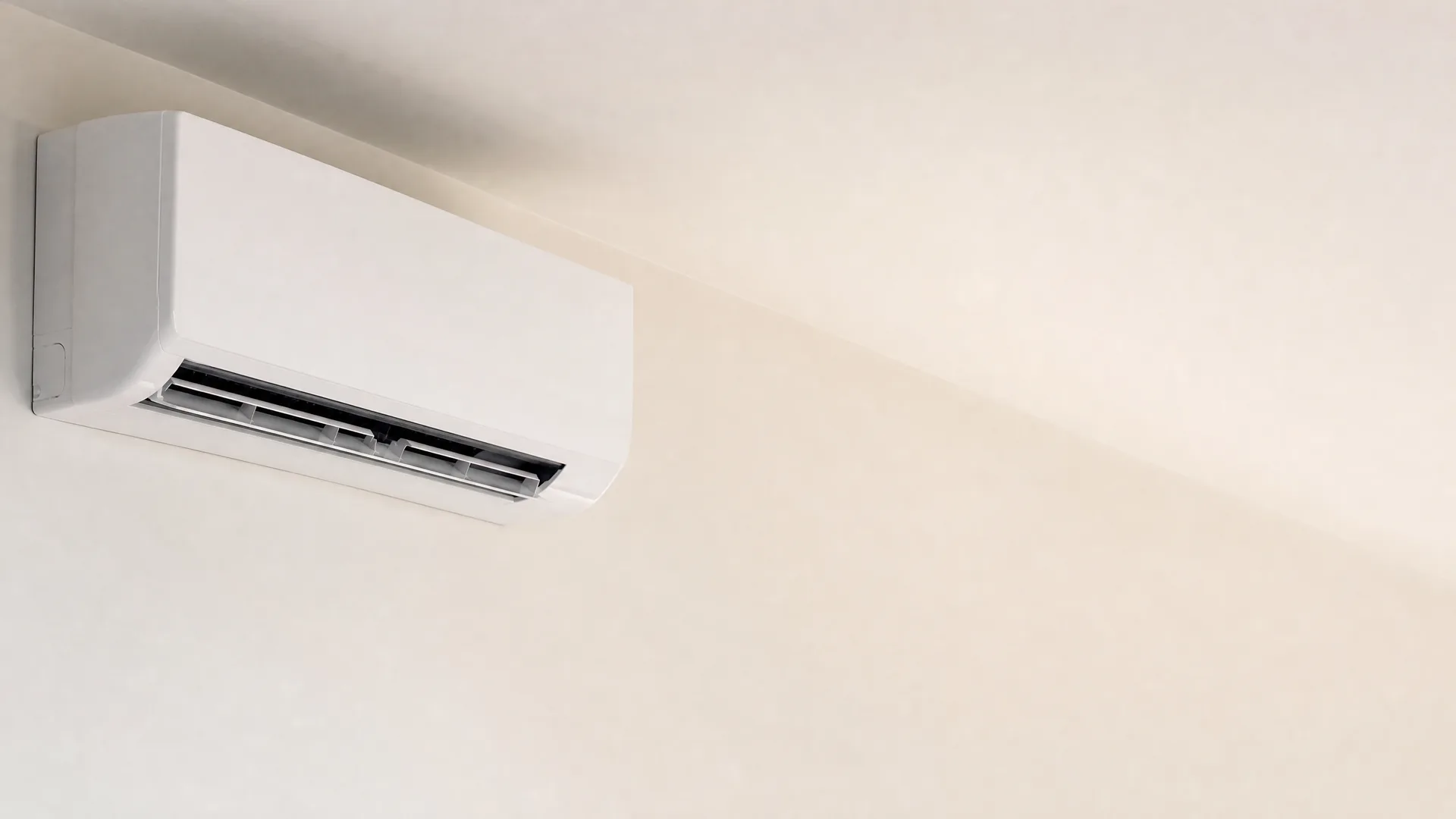
A white wall-mounted mini-split air conditioner unit installed high on a plain beige wall near the ceiling, with empty wall space to the right.

Fixing it yourself versus calling someone

You can watch the outdoor unit through a few defrost cycles, time them, check for ice that won't clear, and look up what it means. That takes evenings, and you still won't know if the reversing valve is sticking or the sensor is reading wrong without opening the unit up. A lot of Montana homeowners get this far on their own before deciding the next step needs someone who works on these year-round.

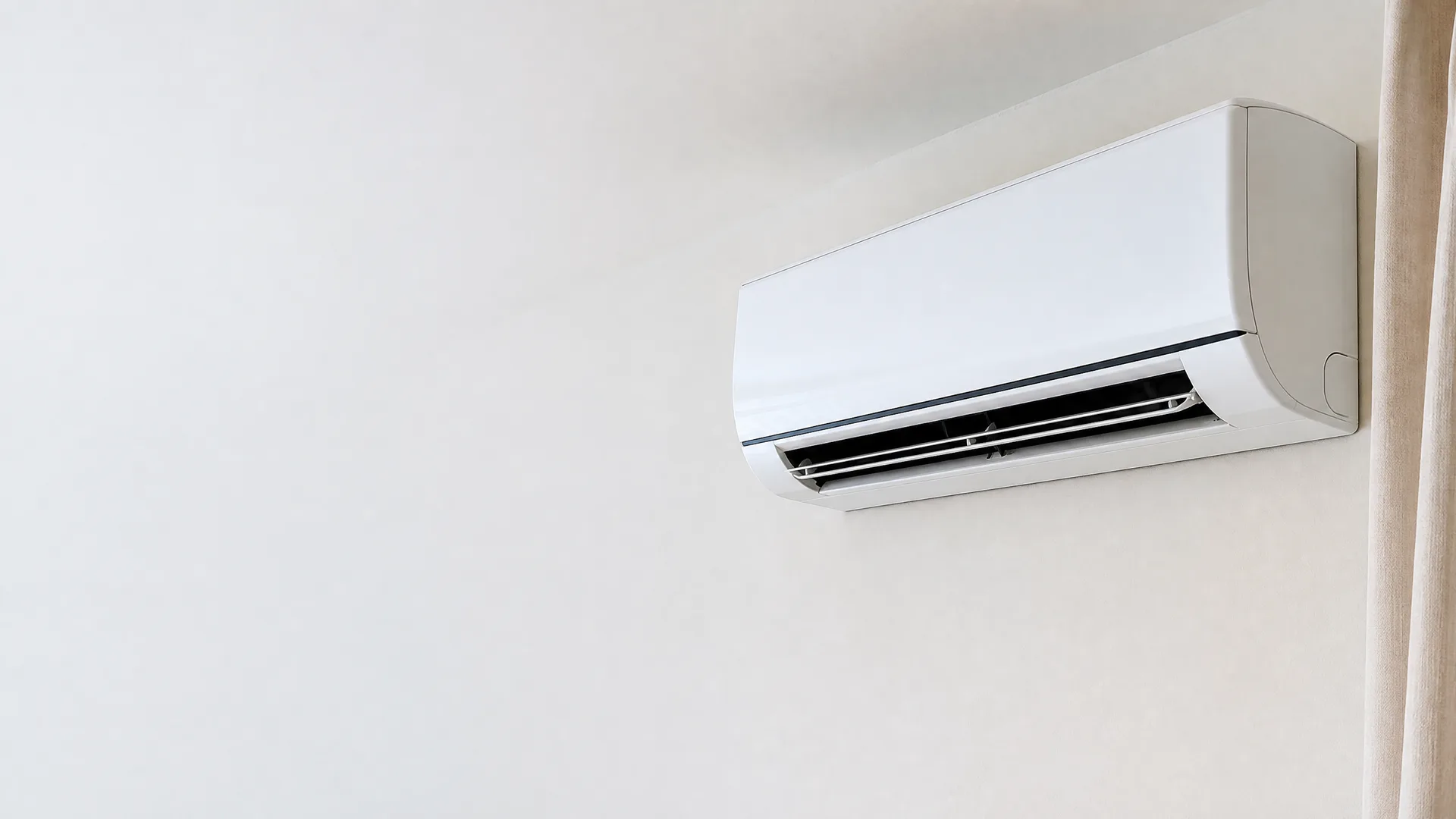
A white wall-mounted mini-split air conditioner indoor unit on a plain light-colored wall, with a beige curtain at the right edge of the frame.

What a local contractor already knows

Someone who services mini splits in Montana every winter has seen what defrost problems here usually come down to, because the equipment and the cold are the same ones they work on all season. You call one contractor, licensed and local, and explain the problem once. No sorting through quotes from companies that don't know your system or your winters, just someone who shows up knowing what to check first.

Why does my mini split blow cold air before it switches to defrost?

You're standing near the indoor head and it kicks out a blast of cold air right before the whole system seems to pause or switch over. It feels backward for a heater to do that, and you want to know if the unit is confused or just doing what it's supposed to do.

That cold blast is the valve switching, not the unit failing

The reversing valve has to flip before defrost can start, sending refrigerant the other direction so heat goes to the outdoor coil instead of your room. For a few seconds, the indoor head is still blowing air, but no heat is coming through yet, so it feels cold. Once defrost finishes and the valve flips back, warm air returns. If that cold air lasts only a few seconds to a minute at the start of defrost, that's normal. If the head keeps blowing cold well into or after the cycle, the valve may be sticking, and that's worth having a contractor look at before a Montana cold snap finds it stuck the wrong way.

  1. The outdoor coil sensor reads a temperature cold enough for frost.

  2. The reversing valve switches the whole system into cooling mode.

  3. Hot refrigerant routes to the outdoor coil instead of indoors.

  4. The indoor fan slows or stops so it won't blow cold air.

A smiling bearded man in a navy sweater sits at a candlelit dinner table with a glass of red wine, a bowl of salad, and plates of food in the foreground.
A woman with dark hair in a bun reclines on a sofa with her eyes closed, wrapped in a cream fleece blanket, a closed blue hardcover book resting in front of her, with a lit lamp and a vase of dried flowers in the background.
A white wall-mounted mini-split indoor unit on a pale interior wall above a gray sectional sofa with cushions, next to a potted leafy tree and a floor-to-ceiling window showing green trees outside.

Describe it once

Your request goes to one pro, not a list of companies.

Answer a few questions instead of calling shop after shop.

Answer a few questions

Sending the form costs nothing.

Watch it or call someone

Call a local pro

  • A contractor who works on mini splits all winter in Montana already knows which boards and sensors fail first in cold like this.
  • You explain the problem once, to one licensed local contractor, instead of repeating it on separate calls to different companies.
  • You skip timing cycles yourself and comparing notes against what you read online, not knowing if the reversing valve or the sensor is at fault.
  • One contractor means one visit scheduled, not a stack of quotes to sort through and weigh against each other.
  • Someone who services this equipment every season can often tell from the pattern you describe whether it's the sensor, the valve, or something else before they even arrive.

Keep watching it yourself

  • You can track how long each defrost cycle runs and whether the outdoor unit actually clears the ice afterward.
  • It costs you evenings, watching the unit through cycles that may or may not repeat the same way twice.
  • Without opening the unit up, you're guessing between a stuck reversing valve, a bad sensor reading, or a defrost cycle that's actually normal.
  • If the ice keeps coming back, you'll have spent the time and still be where you started, except colder rooms and a higher bill from the wasted heat.
  • You won't know if what you're seeing is the system working as it should or a part failing until someone who knows the equipment looks at it.
A dim room with a wall-mounted mini-split air conditioner above a water stain running down the gray wall to a towel on the wood floor, with a black shelving unit, a desk with a lamp and potted plant by a window, and an office chair at right.

You're at your desk in the home office, working through a stack of invoices, when you notice the wall under the mini split looks dark. You get up and find a wet streak running from the unit down to the baseboard, and the carpet underneath is already damp enough that you grab a towel and lay it down. Outside, the afternoon sun is doing its work and the room doesn't need heat right now, but the indoor head is dripping like it just finished fighting ice all morning. You stand there wondering how long it's been doing this before you caught it, and whether it's been running this way for days.


A white wall-mounted mini-split air conditioner unit installed high on a beige interior wall below white crown molding, with a window and woven shade at the left edge showing green foliage outside.
A mini split like this clears itself and goes back to heating in a few minutes, no drip, no long pause.
A dusty, stained white wall-mounted mini-split air conditioner indoor unit installed high on a plain off-white interior wall near the ceiling.
Dust like this won't cause bad defrosts, but it's worth a wipe down while you're checking the coil underneath.
Single-story house with gray horizontal lap siding, dark shingled gable roof, a small covered front porch with a dark door, and windows, set behind a patchy green and brown lawn under a clear blue sky.

That 44°F dew point is a summer number, and it tells you winters here run dry. Dry cold air holds little moisture, so your outdoor unit picks up frost slowly and defrost cycles should stay short and spread out. If you're seeing long defrosts or ice that won't clear even with air this dry, the moisture feeding that frost isn't coming from a humid winter. It points to something inside the system, like a refrigerant leak or a sensor reading wrong, worth having a contractor check. Source: NOAA climate normals for Montana.

NASA POWER T2MDEW county cells weighted by homes

A closed laptop and a cream mug of coffee on a coaster sit on a dark wooden table, with a potted plant at left and a kitchen counter, tiled backsplash and shelf of ceramics in the background.

Defrost is normal. Long defrost isn't.

A few minutes of cold air and a quiet outdoor unit clearing frost is the system doing what it's built to do. Ice that won't melt off, defrost cycles that run long or come back too soon, or water tracking down the wall are the system telling you something else is wrong, maybe a sensor reading the coil wrong or a reversing valve that's stuck between modes.

You could spend more evenings watching the unit, timing cycles, and searching for what a sticking reversing valve looks like from the outside. Or you could describe what you're seeing once to a local contractor who works on mini splits through a Montana winter and already knows which part tends to go first in cold like this. No explaining it twice to different companies, no stack of quotes to sort through. You'd know where things stand instead of guessing at it alone.

A gray upholstered sofa with a textured cushion sits beside a dark round side table holding a vase of green foliage, with a table lamp and sheer-curtained window behind.
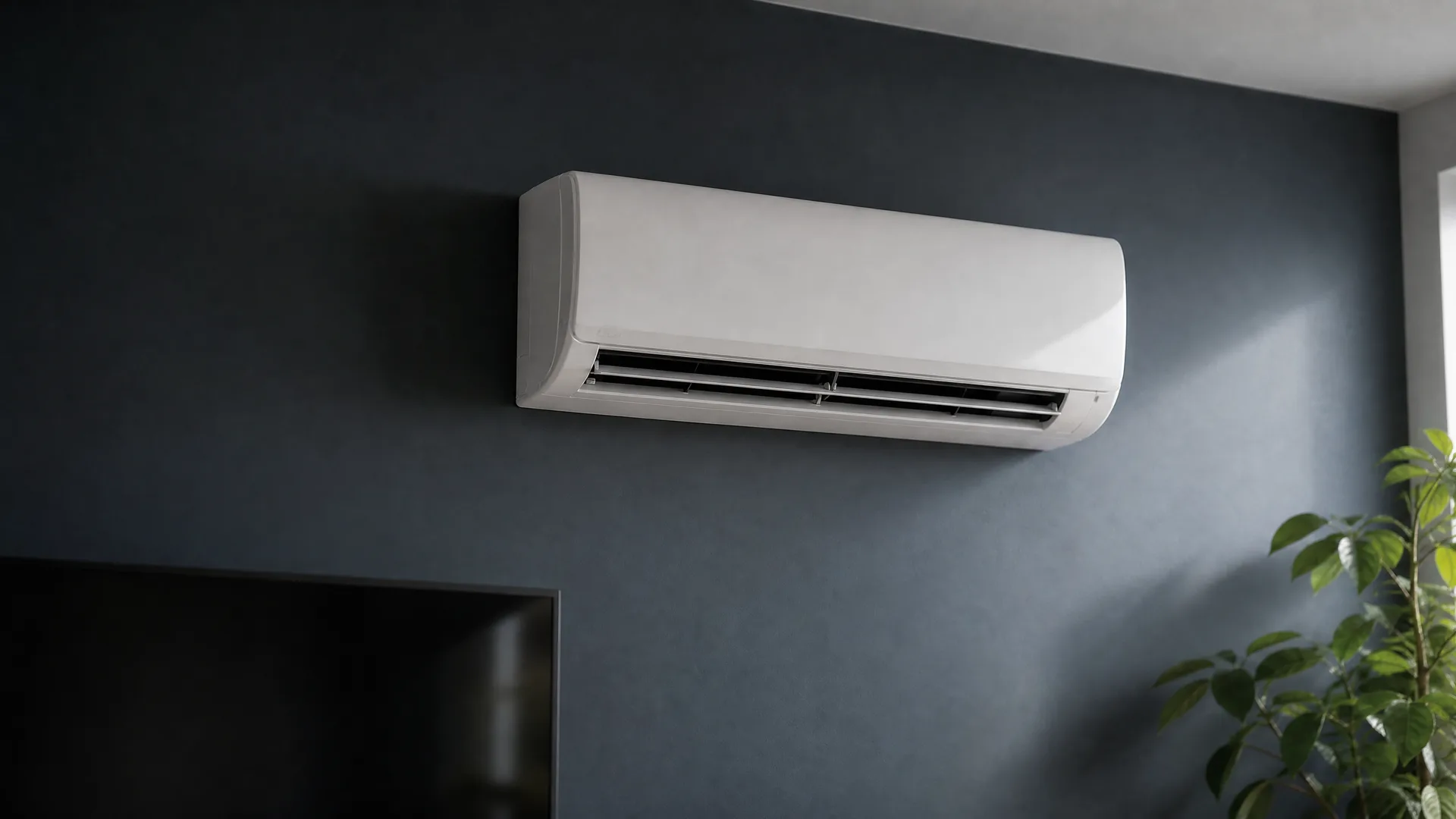
A white wall-mounted mini-split air conditioner on a dark gray interior wall, with a flat screen at lower left and a green leafy plant at lower right.

No phone calls to make

Step 1 of 3: Equipment